Operating model
The scheduling, clustering and routing approach that determines how a released works pool becomes a set of deliverable working days.
About
Stonegate Infrastructure is a new specialist highways business based in Colchester, established around a simple principle: rapid repair technology only creates value when the wider delivery operation is equally efficient.
Why Stonegate exists
Stonegate Infrastructure exists to answer a single operational question: how much more road maintenance can be delivered when rapid repair technology is combined with rigorous operational efficiency?
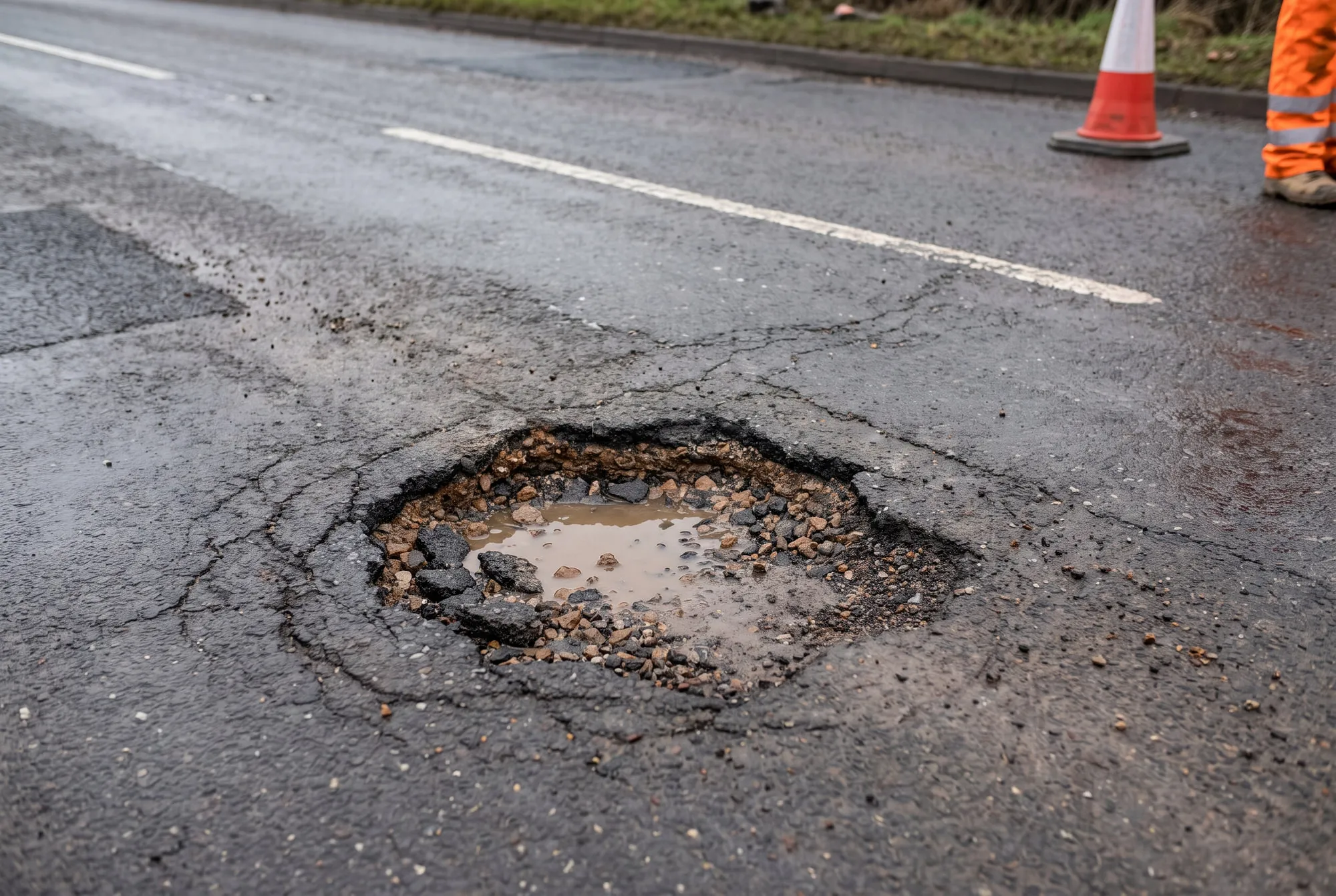
Modern repair equipment can complete suitable carriageway interventions quickly. But overall programme productivity also depends on work allocation, geographic density, traffic conditions, scheduling, plant utilisation and administration. A crew can only repair what it has reached, during a period in which it is permitted and able to work.
Those factors are usually treated as background conditions. Stonegate Infrastructure is built around them, on the view that they are where most of the available productivity actually sits.
Operating principles
Leadership
Ryan Alford
Founder / Director
Ryan Alford founded Stonegate Infrastructure to apply operational technology and process optimisation disciplines to specialist highways delivery.
The background is in technology leadership and large scale operational systems: automation, data, supplier management and service optimisation, including within public sector environments where service levels, assurance and cost scrutiny are significant.
That is a background in making distributed operations measurable and efficient. It is not a background in highways engineering, and the company is not presented as though it were. Engineering judgement, site competence and delivery experience are being brought in through experienced highways personnel and established suppliers.
How we are set up
An accurate description of where the business currently stands.
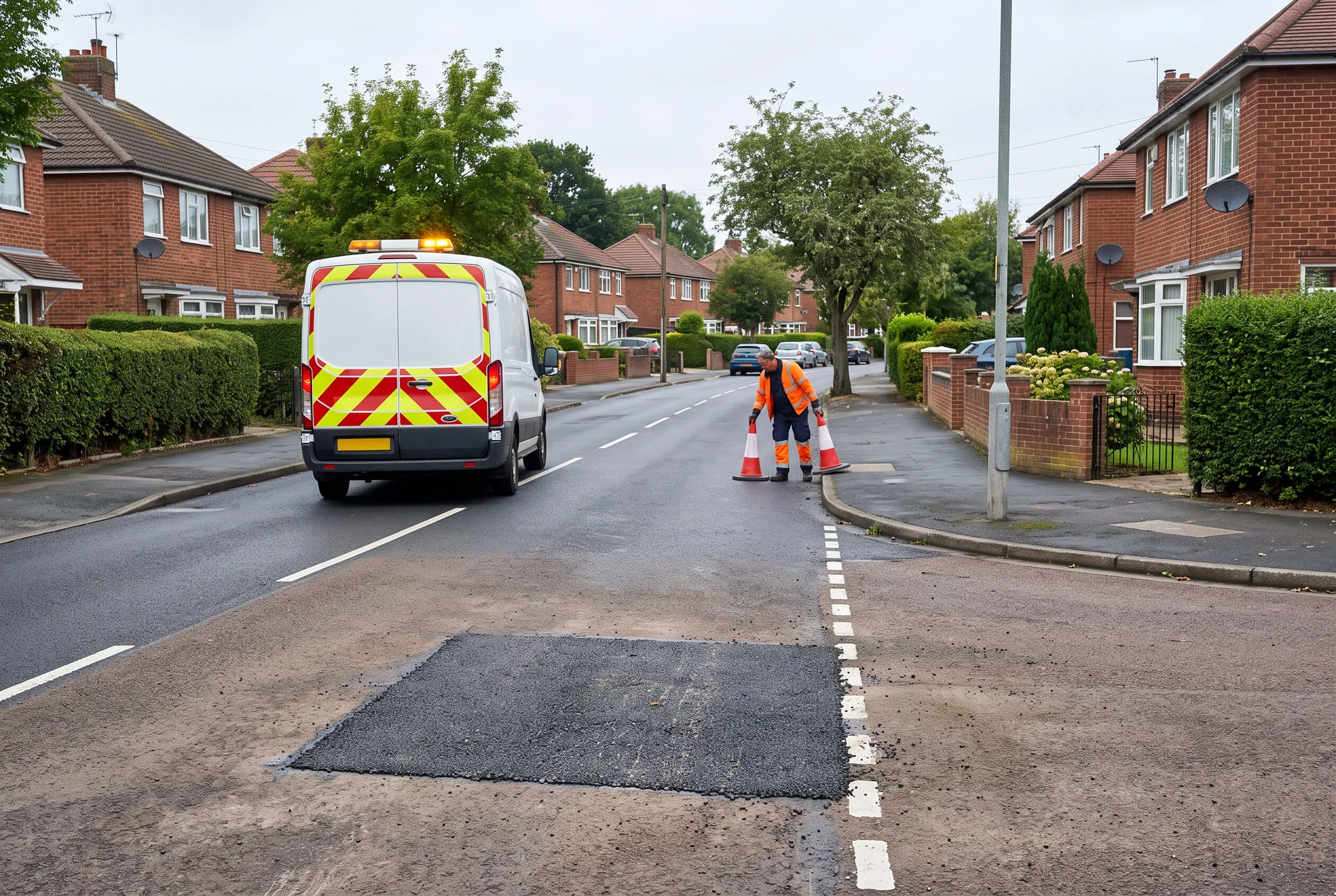
The scheduling, clustering and routing approach that determines how a released works pool becomes a set of deliverable working days.
Selecting repair equipment against the defect types and road environments common across the Essex and East of England network.
Building the operational team around experienced highways personnel, with competence and supervision proportionate to the scope of work.
Engaging with principal contractors, local authorities and equipment suppliers ahead of pilot and subcontract opportunities.
Stonegate Infrastructure does not hold contracts with any local authority, principal contractor or national body, and makes no claim of endorsement by any organisation. Where accreditations, supplier approvals and scheme registrations are required, these will be obtained and maintained against the specific scope of work — and we will say plainly which are held and which are in progress.
Base and coverage
Operating across Essex and the East of England. Being based within the region we serve is not incidental — geographic proximity is part of what makes dense, well-sequenced programmes deliverable.
Recruitment, plant and management resource are intended to be regional for the same reason, keeping crews and decision-making close to the networks they support.
General enquiries
Next step
If you are planning a defect programme, a backlog reduction exercise or additional seasonal capacity, we would welcome the chance to understand the requirement — including at a stage well before any procurement.